
Explore art and landmarks with a photo-led AI tour guide.
Stop at a painting, a sculpture or a landmark and ask about what interests you. Lensmark uses your photo to check its identity and research its history, with sources you can read and follow-up questions in the same conversation. You need an account and an internet connection.
There is a free tier that needs no payment details. Nothing to book.
 Lensmark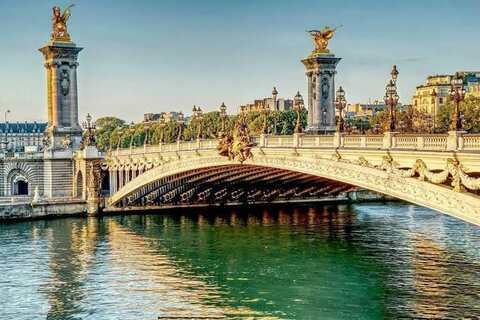
Do I have to follow a route?
No: the tour starts wherever you stop. Lensmark is an AI tour guide that follows you; photograph whatever made you pause and the guiding happens there, not at the next stop on someone’s route.
What do I ask when something stops me?
Nothing but the photo: one picture is the whole question, and the answer comes back as a card with what it is, who made it and why it matters.
What does a cited answer look like?
Every date and name arrives holding the link it was read from. The numbers under an answer are its sources; open one and you are reading the same page Lensmark just did.
Can I keep asking?
Yes, in the same conversation. The next photo joins the walk instead of starting over, so the bridge you crossed and the arch you reached stay part of one story.
Can I pick the walk back up tomorrow?
The conversation keeps its places. Ask again tomorrow and the answer draws on the research already done, with the same sources attached, so a walk you finished is never a tab you lost.
Choose the guide that fits the visit.
An official museum guide or audio tour is useful when you want a curator’s selected route through a collection. Lensmark fits a different moment: you choose the painting, sculpture or landmark, photograph it, and ask your own follow-up questions. The name is checked against more than one source before the story is written; the stage-by-stage version lives on how a landmark is identified from a photo. You can also find your museum before you visit.
Lensmark opens at lensmark.ai in your phone’s browser and answers in English. It needs an account and an internet connection because it checks current online sources for each answer. If you want to understand the free allowance or Week Pass before starting, you can compare Lensmark plans.
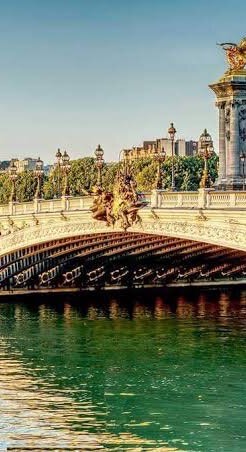
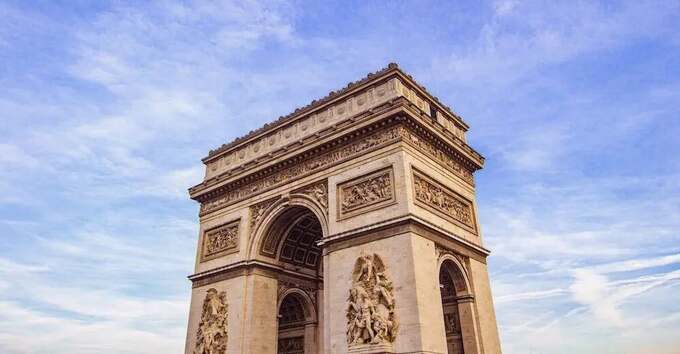
One walk can stop at the Pont Alexandre III, the bridge named after Tsar Alexander III of Russia and inaugurated for the Exposition Universelle, then pick up at the Arc de Triomphe the next day without starting over. The arch was completed in the reign of Louis Philippe I and carries the names of French victories and generals engraved on its surfaces; each of those claims arrives holding the page it was read from.
Sources: wikipedia.org: Pont Alexandre III · Arc de Triomphe
A worn label can help identify what stopped you.
The famous ones are already answered everywhere. What is usually missing is the plaque worn down to half its letters, the building on your own street you have walked past for years, and the work with no wall label. If there is writing in your picture, the words help name what you are looking at, and when nothing agrees Lensmark tells you what it could see and leaves the name open.
A photo that already carries where it was taken narrows the search; without it, Lensmark works from the picture itself. How much history comes back depends on how much was ever written down, and the answer says so when the record runs thin.
In a museum the same rule holds: a wall label or a signature caught in the shot helps name the piece, and knowing you are in the Rijksmuseum helps find the right one. A painting is a harder problem than a building, because a building can be found by its address and a painting can be moved. The painting identification guide takes that apart step by step.
Trip planning stays with your maps app.
Lensmark explains the sourced history of one landmark or artwork you choose. Routes, tickets and directions belong to a travel-planning app, and trying to be both would make this a worse history teller.
Open Lensmark and photograph the next thing you walk past.
Whatever you have stopped in front of, take the picture and find out what happened there.