Lensmark

Landmarks · monuments · historic buildings

Identify a landmark from a photo, then read its history with the sources attached.

Point a camera at a monument, a bridge or the old building with no sign on it. Lensmark checks what it is against more than one independent source before it names it, then tells you how old it is, who built it and why, with every date attached to something you can open and read for yourself.

Free at launch. Sign in once, and every place you look up stays in one conversation you can come back to.

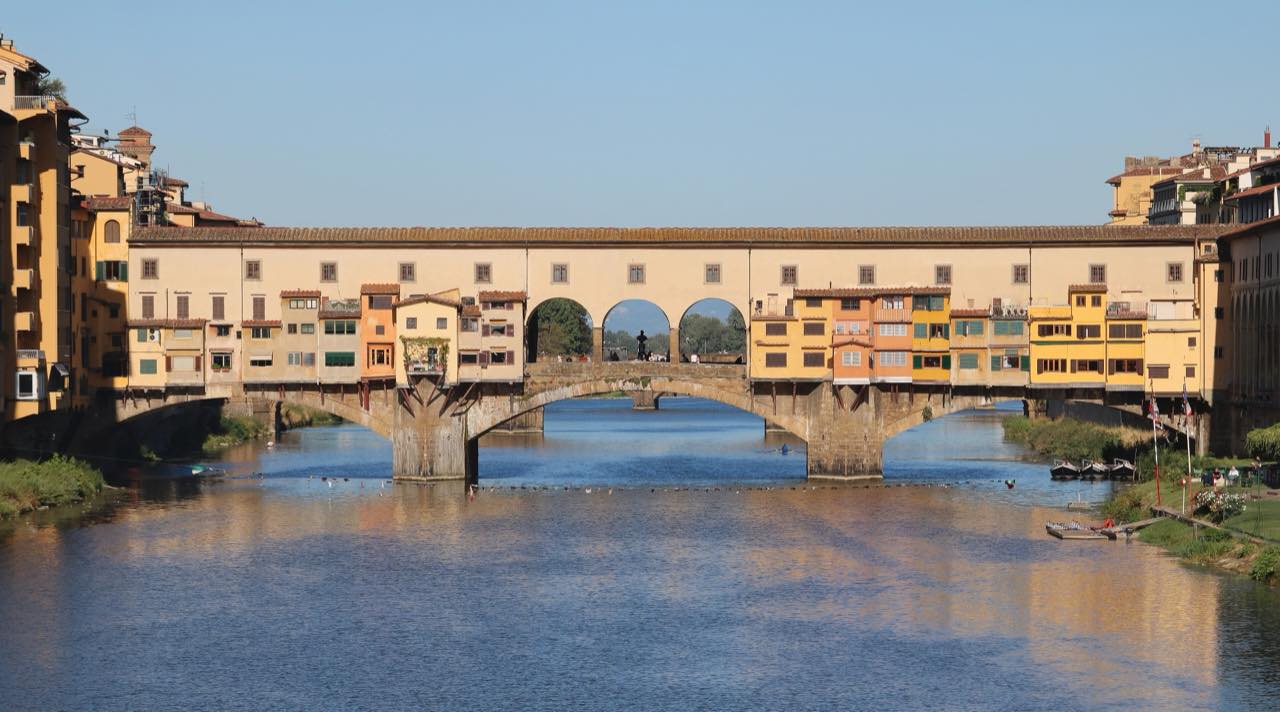
Naming Ponte Vecchio takes one line; explaining it takes the flood of 1333

Everything after the name is the part that took reading.

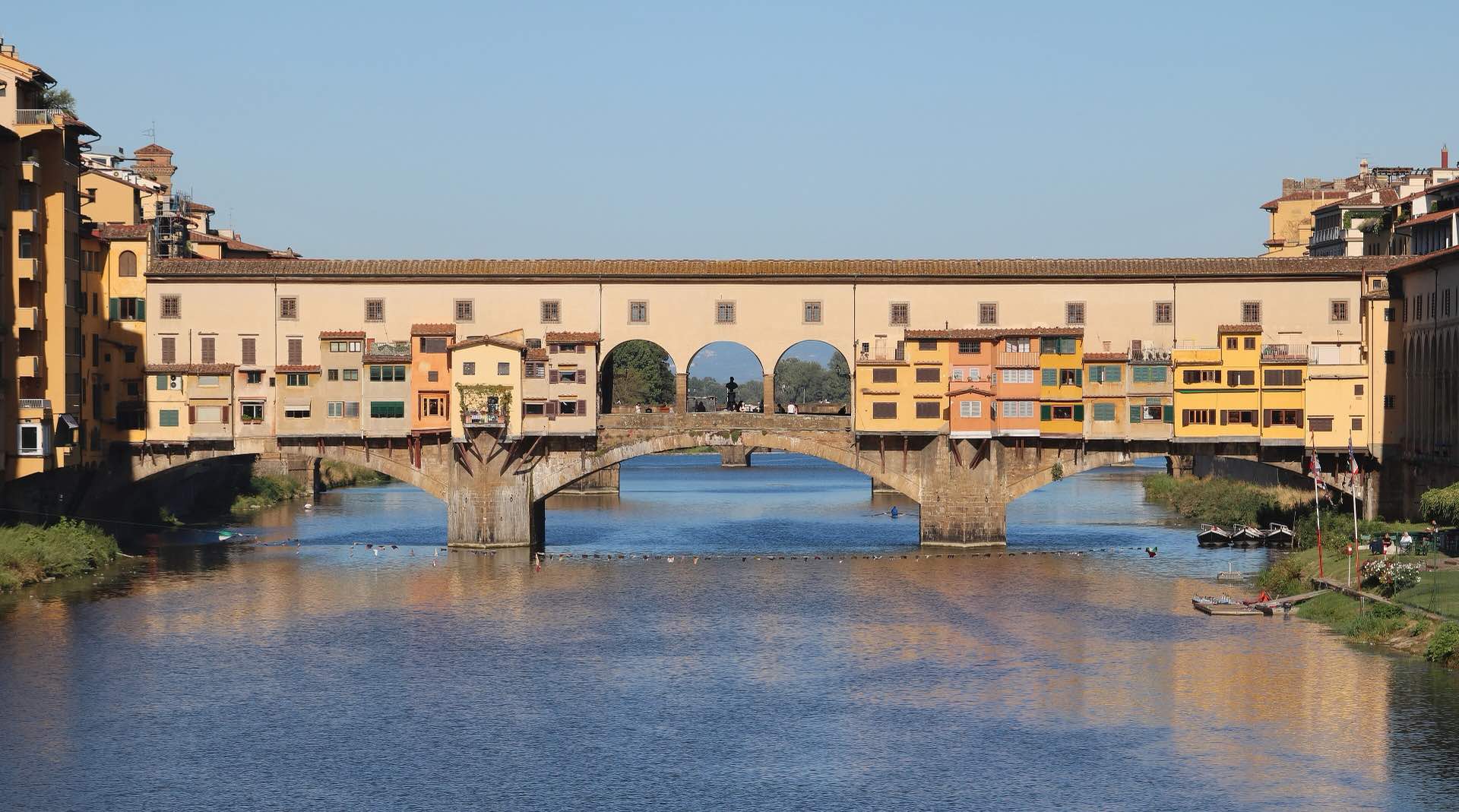
Ponte Vecchio, Florence

The card opens with what it is, where it stands and how old it is. Then comes the part that took reading: the bridge was rebuilt after the flood of 1333, and its shops passed from butchers to goldsmiths by Medici decree in 1593. Every claim carries the source it came from, and you can open it.

Photograph Rome's Pantheon and the answer covers who rebuilt it, and why a Roman temple is still standing when so much around it came down. Photograph the parish church at the end of your own street and you get whatever the record actually holds, which is sometimes centuries of it and sometimes a single dated plaque.

Verified

Ponte Vecchio

Bridge · Florence, Italy · Completed 1345

Rebuilt after the 1333 flood; its shops passed from butchers to goldsmiths by Medici decree in 1593.

History sources you can open

Your photo is checked more than one way before Lensmark names anything

Four stages, in this order, and nothing gets researched until the name is settled.

01

Your picture is read twice, separately

Each read says what it thinks the subject is, without seeing the other's answer. Nothing gets named on a single hunch.

The Ponte Vecchio in Florence, photographed from the riverbank with its shopfronts overhanging the Arno.
1First lookreading your photo
2Second lookreading it separately

02

The name comes back only when both agree

One answer on its own is not enough to name something. When the two land on different things, Lensmark tells you they disagree instead of picking the one it likes.

1First lookPonte Vecchio
2Second lookPonte Vecchio
They agree

Both answers came back Ponte Vecchio, so that is the name you get.

03

Only then does Lensmark go and read up on it

With the name settled, it goes looking for the history: how old the thing is, who built it, why it is there and what happened to it since. It reads all of that before it writes a word.

1Museums and collections
2Official institutions
3Wikipedia, Wikidata
4Primary sources

04

The history is written from what it read, and nothing else

If a date cannot be backed up by something Lensmark read, the date does not go on the card. Where the record is thin, it says so.

Verified

Ponte Vecchio

Bridge · Florence, Italy · Completed 1345

Sources disagree on who designed it. The card says so, and shows you both.

Every date tracedopen the source

When Lensmark is not sure, it says so instead of guessing

You always see how sure it is, and one of the three answers is an honest no.

Verified

More than one source agreed on the name, and the history that follows is built only from what Lensmark read about it.

Likely, confirm?

One subject fits better than the others, but not well enough to state outright, so Lensmark asks you first. It would rather check with you than assume.

Not verified

Lensmark tells you what it could see and declines to name the subject. A guess would be worse than nothing, so it does not make one.

Lensmark reads the plaque on the wall, not just the famous skyline

Landmarks and monuments

Bridges, towers, statues, historic sites and the plaques in front of them.

Buildings and architecture

Who designed a building, when it was built, and what happened to it since.

Artworks and museum objects

Paintings and sculpture follow a different path, described on how to identify a painting from a photo. Objects in cases have their own path: how a museum object is identified.

Famous is not the requirement. A war memorial in a village square counts, and so does the datestone over a doorway on a back street. If a record of it exists, Lensmark goes looking for it and cites what it finds. If you are weighing this against a booked walking tour or a bought city audio pack, that comparison is on the AI tour guide page. Walking a city already? Identifying London landmarks from a photo works the same method through one of them.

Every date on the card comes from a source you can open

The museum that holds the thing outranks a blog post about it, and that order is the same on every answer.

  1. Museums and collections  the institution that holds the thing
  2. Historical organisations and official institutions
  3. Wikipedia and Wikidata
  4. Educational resources and primary sources

When only the thinner sources exist, the card says so, and you can see which ones it used.

People ask these seven things before they trust an answer

How does Lensmark decide it has the right building?

Your photo is read twice, separately, and each read proposes what the subject is. A name only comes back when the two agree, or when a public record of the place backs one of them up. When they land on different things, Lensmark tells you they disagree instead of picking one.

Is Lensmark free?

Yes, while we're new. Every account includes 3 identifications a month at no charge, and more can be added on request through the support page, also free. Paid plans will come later; nothing is for sale today.

Does Lensmark make up history?

No. Every date, name and reason in the answer comes from a source Lensmark went and read for that subject, and you can open it. If it did not read it somewhere, it does not say it, even when the guess would probably be right.

What happens when Lensmark is not sure?

You always see how sure it is. An answer comes back verified, likely and awaiting your confirmation, or not verified. Without a verified name, Lensmark tells you what it could see and leaves the name open.

Does it work on a photo I took months ago?

Yes. A photo from your camera roll goes through the same checks as one you take standing in front of the building, so something you photographed last summer can still tell you its story.

What if two sources give different dates?

You get both dates, and who says which. Lensmark does not pick the tidier one and hide the other.

Does it work without location?

Yes. If a photo already carries where it was taken, that narrows the search. Without it, Lensmark works from the picture itself.

Google Lens gives you the name; Lensmark tells you what happened there

Lens is quick, free, and good at naming a famous building. It stops at the label.

The name is where Lens stops

A reverse image search hands you a title and a map pin. Who built it, when, and why it stands there are all still open questions.

Nothing to check the answer against

A photo search gives you a name and leaves you to trust it. Lensmark puts the source behind each claim beside it, so you can open it and judge for yourself.

The building nobody has photographed

Photo search is weakest on the ordinary street corner, which is the one place you have no other way of finding out. That case is the reason Lensmark exists.

Is Lensmark better than Google Lens? For finding out what happened somewhere, yes, because Lensmark checks the name against more than one source and puts the source behind every date beside it. Where Lens still wins: it is faster, it is already on your phone, and for a famous building the name is all you wanted.

A photo of the whole building beats a close-up of one arch

Two separate reads have to agree before you get a name, so give both something to work with.

Get the whole thing in

A shot with the full facade in the frame gives more to go on than a carved detail or a single window, however good the detail looks.

Let the writing in

If there is a plaque, or a name carved over the door, get it in the frame. Lensmark reads the words in your photo and counts them toward the name.

Straight on, in ordinary light

A night shot in the rain gives both reads less to agree on. If the answer comes back unsure, step back and take one more from the front.

Ask a follow-up and it answers from the research it already did

One conversation for everything you see.

Ask who the Medici were, or why goldsmiths ended up on that bridge, and the answer comes out of the reading Lensmark already did on that subject, cited the same way the first answer was. It stays in the same conversation, beside the photo that started it, and it is still there the next time you open the app. Everything you look up ends up in one place, in the order you found it.

Three venue guides take these checks somewhere specific

Same method, walked through one place at a time.

London landmarks

Churches, statues, monuments and blue plaques, named and researched on the street.

British Museum artifacts

Objects in the galleries, with the case label read as part of the evidence.

Louvre artworks

Paintings, sculpture and antiquities, checked against the museum's own catalogue.

Point it at the next thing you cannot name, and find out what happened there.