Your AI tour guide for the Smithsonian American Art Museum
Photograph a work in the Smithsonian American Art Museum and Lensmark tells you who made it, when, and why it matters, with every fact linked to its source.
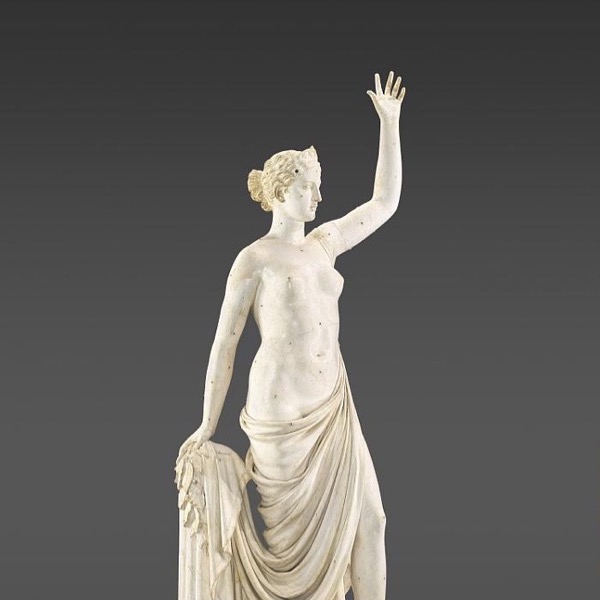
Powers proposed a female figure as an embodiment of the United States.
Read more
Illustrative photo demo
Illustrative collection
Your walks
Today
AmericaHiram Powers11:26 AM
Among the Sierra Nevada, CaliforniaAlbert Bierstadt9:41 AM3
Last week
Pont Alexandre IIIParis, France7:14 PM
Hintze HallLondon, England6:05 PM
Last month
Elizabeth TowerLondon, England4:30 PM
Arc de TriompheParis, France2:12 PM2
Take a permitted photoUse a photo allowed by the museum's current rules.
Read the sourced historyWhen Lensmark can verify the work, it explains what the sources support and links to them. When it cannot, it says so plainly.
Ask a follow-upContinue with a question about the work's maker, age or significance.
Your Smithsonian American Art Museum walk saves itself.Just take pictures. Each work is kept with its sourced history, grouped by day.
America: Hiram Powers, America, 1848–1850, Smithsonian American Art Museum, museum purchase in memory of Ralph Cross Johnson. Public domain. Image source; Public domain. Among the Sierra Nevada, California: Albert Bierstadt, Source credit: SAAM, Public domain, via Wikimedia Commons Image source; Public domain. Images cropped to square details.
What the Smithsonian American Art Museum collection covers
The Smithsonian American Art Museum explores American visual culture from the colonial period to today. Its collection brings painting and sculpture into conversation with photography, Latino art, self-taught art and time-based media. About the collection
The collection began in 1829 with John Varden’s museum in Washington. SAAM opened in the restored Patent Office Building in 1968; its main venue shares the Reynolds Center with the National Portrait Gallery, while the Renwick Gallery is a separate branch.
Its collection strengths include American painting, American sculpture, time-based and media art, and Latino art.
Electronic Superhighway: Continental U.S., Alaska, Hawaii
Nam June Paik
Date
1995
Neon borders turn a map of the United States into a bank of video screens. Paik’s 1995 installation combines fifty-one channels with state-specific footage, exploring how highways, television and the internet shape American experience.
Powers proposed a female figure as an embodiment of the United States. This 1848–1850 plaster model includes a shackle beneath her foot; Congress abandoned a Capitol commission over concerns that its abolitionist meaning would offend Southern politicians.
Bierstadt presented a dramatic mountain landscape to audiences on both sides of the Atlantic. The 1868 canvas toured Europe before reaching the United States, helping promote an image of America as a promised land.
These are collection records, not confirmation that the works are on display today.
Check the photography rules first
The Smithsonian American Art Museum generally permits handheld photography and video for personal, noncommercial use. Particular artworks and special exhibitions may prohibit photography; check the wall signs. Tripods, monopods, selfie sticks, extension poles and similar long devices are not permitted. Commercial photography and professional filming must be arranged with the museum’s Office of Public Affairs; commercial or documentary filming requests also use the Smithsonian’s film request process. Read the current visitor guidelines and follow staff instructions before taking a photo. Smithsonian American Art Museum photography policy
Lensmark needs a connection to answer, so check your signal or any visitor Wi-Fi before you photograph a work.
Lensmark can explain Smithsonian American Art Museum works. Let us be your AI tour guide today.